
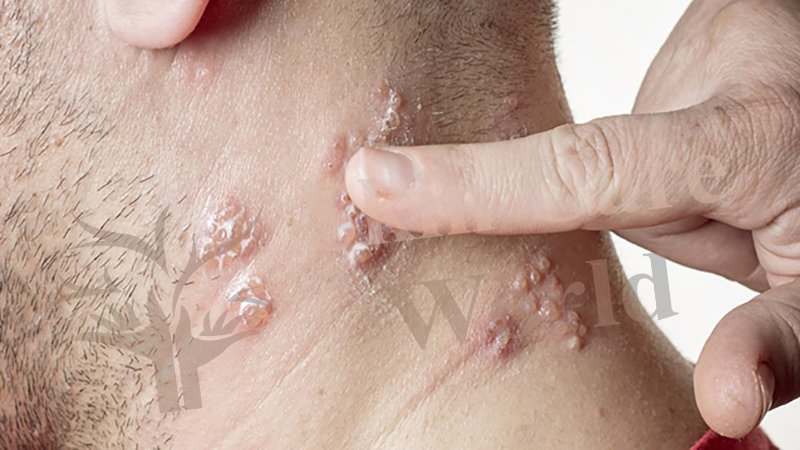
Skin Infection Treatment in Nagpur helps address common skin problems such as fungal infections, bacterial infections, itching, redness, rashes, and skin irritation. Moreover, these conditions can affect people of all ages and may cause discomfort if they do not receive appropriate care. Therefore, consulting a dermatologist is important to identify the cause of the infection and determine a suitable treatment plan. At Indian Skin And Hair Transplant Center, patients can seek professional guidance for various skin concerns. During the consultation, a dermatologist examines the affected area and reviews the symptoms. Based on these findings, the doctor recommends suitable treatment according to the type and severity of the infection. Furthermore, recognizing skin changes early can help you seek appropriate medical care.
Common Types of Skin Infections Treated by a Dermatologist
Fungal Skin Infections: These infections often cause itching, redness, and scaling. Additionally, they may produce ring-shaped patches on the skin.
Bacterial Skin Infections: These infections may cause swelling, pain, redness, and warmth. In some cases, they can also lead to pus-filled sores.
Viral Skin Infections: These infections can cause warts, blisters, or cold sores. However, the symptoms may vary depending on the type of virus.
Parasitic Skin Infections: Conditions such as scabies can cause intense itching. In particular, the itching often becomes worse at night.
Folliculitis: This condition causes inflammation around hair follicles. As a result, small red bumps or pus-filled spots may develop.
Skin Infections in Skin Folds: Areas such as the groin and underarms can retain moisture. Therefore, fungal or bacterial infections may develop in these.
Nail Infections: Fungal nail infections may cause thickened, discoloured, or brittle nails. Moreover, the affected nails may gradually change in appearance.
Fungal Skin Infections
Common Symptoms: Bacterial skin infections may cause redness, swelling, pain, warmth, and tenderness. In some cases, they may also lead to pus-filled sores.Common Types: Impetigo, cellulitis, and certain forms of folliculitis are common examples of bacterial skin infections. However, each condition may require.
Possible Causes: Bacteria can enter the skin through cuts, scratches, insect bites, or damaged skin. Therefore, keeping wounds clean is important to reduce the risk of infection.
Treatment Options: A dermatologist may recommend antibiotics or other suitable treatments, depending on the type and severity of the infection. Additionally, follow-up care may be necessary to monitor recovery.
Prevention Tips: Keep wounds clean and avoid sharing personal items, such as towels and razors. Furthermore, do not squeeze infected bumps, as this may worsen irritation or spread the infection.
Viral Skin Infections
Viral skin infections occur when viruses affect the skin and sometimes the surrounding tissues. They may cause blisters, warts, rashes, or painful skin lesions. The symptoms and treatment depend on the type of virus and the severity of the condition. A dermatologist can examine the affected area and recommend suitable care.
Common Symptoms: Viral skin infections may cause blisters, skin-coloured or rough bumps, redness, itching, or painful sores.
Common Types: Examples include warts, cold sores, and certain viral rashes, such as those associated with chickenpox or shingles.
Possible Causes: Some viral infections spread through direct skin contact, respiratory droplets, or contact with infected fluids, depending on the virus.
Treatment Options: Treatment varies by infection. A dermatologist may recommend antiviral medicines for certain conditions or other treatments to manage.
Parasitic Skin Infections
Parasitic skin infections occur when tiny parasites affect the skin and cause itching, irritation, or rashes. Common examples include scabies and lice infestations. These conditions can spread through close contact or shared personal items, depending on the parasite. A dermatologist can identify the cause and recommend appropriate .
Common Symptoms: Intense itching, small red bumps, skin irritation, and sometimes thin lines or burrows on the skin. Scabies-related itching often becomes .
Common Types: Scabies and skin lice are common parasitic conditions that may require medical treatment.
Possible Causes: Prolonged skin-to-skin contact can spread scabies. Lice may spread through close contact or, in some cases, shared clothing and personal.
Treatment Options: A dermatologist may prescribe antiparasitic lotions, creams, or other medicines depending on the condition and the patient’s needs.
Prevention Tips: Avoid sharing clothing, towels, and bedding. Follow medical advice about washing personal items and treating close contacts when necessary.
Common Symptoms of Skin Infections
Skin infections can cause different symptoms depending on whether bacteria, fungi, viruses, or parasites are responsible. Recognizing these signs can help you seek timely medical advice and receive appropriate treatment.
Redness and Skin Irritation: The affected area may appear red, irritated, or inflamed.
Persistent Itching: Fungal infections and parasitic conditions may cause itching that continues or worsens over time.
Swelling and Pain: Some infections can cause tenderness, warmth, swelling, or discomfort.
Rashes and Unusual Patches: You may notice red spots, scaly patches, ring-shaped marks, or bumps on the skin.
Blisters and Sores: Certain viral or bacterial infections may cause blisters, open sores, or fluid-filled bumps.
Skin Infection Treatment in Nagpur
Skin infections can develop when harmful microorganisms, such as fungi, bacteria, viruses, or parasites, enter or affect the skin. These infections may cause itching, redness, swelling, rashes, or discomfort. Understanding the possible causes can help you take preventive steps and seek appropriate medical care.
Fungal Growth: Warm, humid weather, excessive sweating, and moisture trapped in skin folds can encourage certain fungal infections.
Bacterial Entry: Bacteria may enter the skin through cuts, scratches, insect bites, or damaged skin.
Viral Transmission: Some viral skin infections spread through direct contact with infected skin, respiratory droplets, or infected fluids, depending on the virus.
Parasitic Infestations: Parasites such as mites and lice can affect the skin and cause itching or irritation.
Poor Moisture Management: Leaving sweaty clothes on for long periods or keeping skin folds damp may increase the risk of certain infections.
Skin Infection Treatment Options in Nagpur
Skin infection treatment in Nagpur depends on the type of infection, its severity, the affected area, and the patient’s medical history. Fungal, bacterial, viral, and parasitic infections may cause similar symptoms, so a dermatologist can examine the skin and recommend appropriate treatment. At Indian Skin And Hair Transplant Center, patients can seek professional guidance for different skin concerns and learn about suitable treatment options. Antifungal Treatment Dermatologists may recommend antifungal creams, lotions, or oral medicines for fungal infections such as ringworm, depending on the affected area and severity. Antibacterial Treatment Certain bacterial infections may require topical or oral antibiotics. A dermatologist determines whether antibiotics are necessary after assessing the symptoms. Antiviral Treatment Specific viral infections, including cold sores and shingles, may benefit from antiviral medicines. Treatment depends on the virus and how early the patient receives care.
Medical Treatment for Bacterial Infections
Bacterial skin infections can cause redness, swelling, pain, warmth, and pus-filled sores. The appropriate treatment depends on the type of bacteria, the affected area, and the severity of the infection. A dermatologist can examine the skin and recommend suitable treatment to help manage the infection and reduce the risk of complications. Topical Antibiotics: A doctor may prescribe antibiotic creams or ointments for certain localized bacterial infections, depending on the diagnosis. Oral Antibiotics: Some infections require oral antibiotics, particularly when they affect deeper layers of the skin or cover a larger area. Patients should take these medicines only as prescribed. Wound Cleaning and Care Gently cleaning the affected area and protecting open wounds can support healing. Avoid squeezing boils or attempting to drain infected areas yourself. Treatment for Abscesses: Some skin abscesses require drainage by a qualified healthcare
Fungal Infection Treatment
Antifungal Creams: Doctors may recommend antifungal creams or ointments to treat localized fungal infections, such as ringworm.
Oral Antifungal Medicines: For extensive, severe, or certain difficult-to-treat infections, a dermatologist may prescribe oral antifungal medication.
Medicated Shampoos: Special antifungal shampoos may help manage fungal conditions affecting the scalp or other suitable areas.
Keeping Skin Dry: Dry your skin thoroughly after bathing, especially between the toes and in skin folds, to reduce excess moisture.
Avoiding Self-Medication: Avoid steroid-containing combination creams unless specifically prescribed by a qualified doctor, as they can worsen or mask some fungal infections.
Preventing Reinfection: Wear clean clothes, avoid sharing towels, and follow the recommended treatment duration.
Fungal Infection Treatment Cost in Nagpur
Fungal skin infections can cause itching, redness, scaling, and ring-shaped patches on different parts of the body. These infections may develop in areas exposed to heat, sweat, and moisture. Fungal infection treatment in Nagpur depends on the affected area, the severity of the infection, and the patient’s medical history.
Antifungal Creams: A dermatologist may recommend antifungal creams or ointments for localized skin infections.
Oral Antifungal Medicines: Doctors may prescribe oral medication for extensive or severe infections when appropriate.
Scalp and Nail Care: Fungal infections affecting the scalp or nails may require specific treatment after medical evaluation.
Skin Hygiene: Keep affected areas clean and dry, and change out of sweaty clothes promptly.
Preventing Reinfection: Avoid sharing towels, clothing, and footwear. Follow your prescribed treatment for the recommended duration.
Treatment for Viral Skin Conditions
Viral skin conditions occur when viruses affect the skin, causing symptoms such as blisters, warts, rashes, or painful sores. The appropriate treatment depends on the type of virus, the severity of symptoms, and the patient’s medical history. A dermatologist can assess the affected area and recommend suitable care.
Antiviral Medicines: A doctor may prescribe antiviral medicines for certain conditions, such as cold sores or shingles, to help manage symptoms and reduce the .
Wart Treatment: Depending on the type and location of the wart, treatment may include topical medicines, cryotherapy, or other dermatologist-recommended Symptom Management: Suitable skin care and doctor-recommended medicines may help relieve discomfort, itching, or irritation.
Avoid Scratching: Avoid picking blisters or warts because this may irritate the skin and spread certain infections.
Treatment for Itching, Redness, and Skin Rashes
Itching, redness, and skin rashes can occur due to fungal infections, bacterial infections, allergies, eczema, or other skin conditions. The right treatment depends on the underlying cause and the severity of the symptoms. A dermatologist can examine your skin and recommend suitable care to relieve discomfort and address the problem.
Identify the Cause: A dermatologist evaluates your symptoms, medical history, and affected skin to determine the possible cause.
Medicines for Itching: Depending on the diagnosis, a doctor may recommend medicines or soothing skin products to help relieve itching.
Treatment for Redness and Inflammation: Appropriate treatment may help reduce redness and irritation caused by specific skin conditions.
Antifungal Treatment: If a fungal infection causes the rash, a dermatologist may recommend suitable antifungal medicines.
Allergy Management: When an allergic reaction causes the symptoms, identifying and avoiding the trigger may help prevent further irritation.
When Should You Consult a Skin Specialist in Nagpur?
Consulting a skin specialist in Nagpur can help you identify the cause of persistent skin problems and receive appropriate treatment. Although mild irritation may improve with gentle skincare, certain symptoms require professional evaluation to prevent complications and support recovery.
You should consider consulting a dermatologist if you experience any of the following symptoms:
Persistent Itching: Itching that continues for several days, worsens, or interferes with sleep may require medical assessment.
Spreading Skin Rashes: Red patches, unusual bumps, or rashes that spread to other areas need proper evaluation.
Recurring Fungal Infections: Repeated fungal infections may require a different treatment approach or further investigation.
Painful or Swollen Skin: Increasing pain, warmth, swelling, or pus may indicate a bacterial infection.
FAQ-Skin Infection Treatment In Nagpur
1. What is the best treatment for skin infections in Nagpur?
The best treatment depends on the type of infection and its severity. A dermatologist may recommend antifungal, antibacterial, antiviral, or antiparasitic medicines after examining.
2. When should I consult a dermatologist for a skin infection?
Consult a dermatologist if you experience persistent itching, redness, swelling, painful rashes, pus-filled bumps, or recurring skin infections.
3. How long does it take for a skin infection to heal?
Recovery time varies depending on the type of infection, its severity, and the treatment used. Some mild infections improve within days, while others may require several.
Book an Appointment for Skin Infection Treatment in Nagpur
Skin infections can affect different parts of the body and may cause itching, redness, swelling, irritation, or unusual patches. Skin infection treatment in Nagpur focuses on identifying the underlying cause and selecting appropriate treatment for each patient’s needs.