
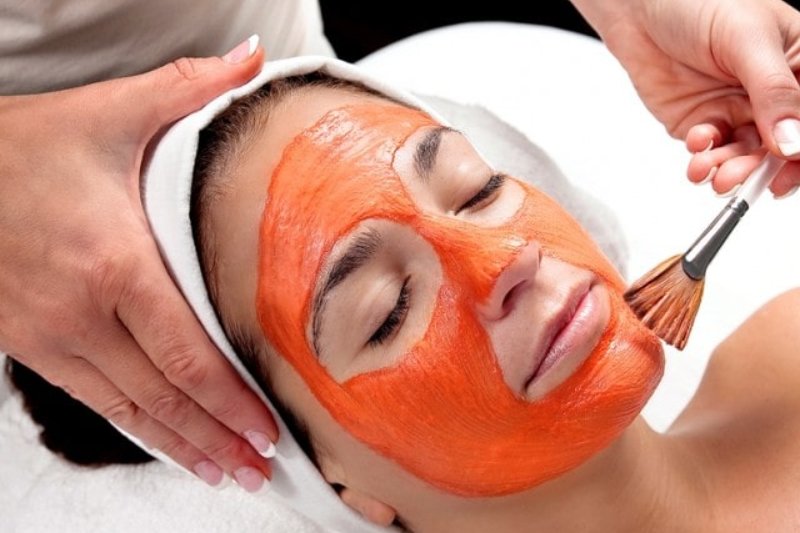
What Is Photofacial Treatment?
Are sunspots, freckles, or uneven skin tone affecting your confidence? Photofacial Treatment in Nagpur offers a light-based approach to improving the appearance of selected skin concerns. Moreover, a dermatologist can assess your skin and help you understand whether Intense Pulsed Light (IPL) treatment suits your needs.
At our clinic, we focus on personalized skin care and realistic treatment goals. Therefore, we recommend a professional consultation before starting any light-based procedure.
Benefits of Photofacial Treatment in Nagpur
Photofacial treatment may help address specific cosmetic skin concerns without surgery. Moreover, your provider can tailor the treatment plan to goals.
- Sunspot improvement: IPL may reduce the appearance of selected spots caused by sun exposure.
- More even-looking skin tone: In addition, treatment may help improve certain types of pigmentation.
- Reduced visible redness: IPL may help address some forms of facial redness and visible small blood vessels.
- Skin rejuvenation: Furthermore, selected light-based treatments may improve the appearance of sun-damaged skin.
- Convenient recovery: Many people resume regular activities soon after treatment; however, temporary redness or swelling can occur.
How Does Photofacial Treatment Work?
First, your dermatologist examines your skin and discusses your concerns, such as sunspots, pigmentation, redness, and uneven skin tone. Next, the dermatologist selects suitable IPL settings based on your skin type, skin condition, and treatment area. This personalized approach helps support safe and effective treatment.
Before the procedure, the provider cleans your skin and may apply a cooling gel, depending on the device. Additionally, you may receive protective eyewear to shield your eyes from the intense light. During the treatment, the IPL device delivers controlled pulses of broad-spectrum light to the targeted areas.
The melanin in pigmented spots or the hemoglobin in visible blood vessels absorbs the light energy.
Who Can Consider Photofacial Treatment?
Photofacial treatment may suit people who want to improve the appearance of sunspots, freckles, uneven skin tone, and certain types of facial redness. Additionally, IPL may help reduce the visible signs of sun damage and improve overall skin clarity. However, the right treatment depends on your skin condition, skin tone, and individual goals.
Before recommending IPL photofacial treatment, a qualified dermatologist examines your skin and discusses your expectations. Furthermore, the dermatologist reviews your medical history, recent sun exposure, tanning habits, and current medicines to determine whether the procedure is suitable for you.
People with darker skin tones may have a higher risk of burns, irritation, or unwanted pigmentation changes.
How Photofacial Treatment in Nagpur Works
- Light-Based Technology: Photofacial Treatment in Nagpur uses Intense Pulsed Light (IPL) to target selected skin concerns. This technology delivers controlled light pulses to the skin.
- Targets Pigmentation: Additionally, this treatment may help reduce the appearance of sunspots, freckles, and uneven skin tone.
- Reduces Visible Redness: Furthermore, Photofacial Treatment in Nagpur may improve certain types of facial redness and the appearance of small visible blood vessels.
- Skin Rejuvenation: As a result, the treatment may improve the appearance of sun-damaged skin and mild texture concerns.
Who Can Consider Photofacial Treatment in Nagpur?
Photofacial treatment may suit people who want to address selected sunspots, freckles, uneven pigmentation, or certain types of facial redness. In addition, your dermatologist may discuss IPL if you prefer a light-based procedure with limited recovery time.
Nevertheless, IPL does not suit every skin type or condition. People with darker skin tones may face a higher risk of burns or unwanted pigmentation changes with some IPL settings. Therefore, consult a qualified dermatologist who can evaluate your skin, medical history, recent tanning, and current medicines before recommending treatment.
How Many Photofacial Sessions Do You Need?
The number of photofacial treatment sessions depends on your skin concern, its severity, your skin type, and the IPL device your dermatologist uses. For example, mild sunspots and uneven skin tone may respond differently from persistent pigmentation or facial redness. Therefore, your dermatologist will create a personalized treatment plan after examining your skin.
In many cases, IPL photofacial treatment requires a series of sessions to achieve noticeable improvements. Your dermatologist may recommend several appointments spaced a few weeks apart, depending on your skin’s condition and response to treatment. However, some concerns may need fewer sessions, while others may require additional care or an alternative procedure.
What Happens During Your Photofacial Session?
Photofacial Treatment In Nagpur
Your photofacial treatment appointment begins with a detailed skin assessment and a discussion of your concerns, such as sunspots, uneven skin tone, pigmentation, or facial redness. First, your dermatologist examines your skin type and reviews your medical history, current medicines, and recent sun exposure. Based on this assessment, the dermatologist explains the procedure, expected benefits, possible side effects, and suitable aftercare.
Before starting the procedure, the provider cleans the treatment area and may apply a cooling gel, depending on the IPL device. Additionally, you will wear protective eyewear to shield your eyes from the intense light. The provider then adjusts the device settings according to your skin condition and treatment.
Photofacial Treatment Recovery and Aftercare
Photofacial Treatment In Nagpur
Your appointment generally begins with a skin assessment and a discussion of your goals. After that, your provider explains the procedure, expected
Many people return to their regular activities soon after IPL treatment. However, temporary redness, warmth, swelling, or sensitivity may occur. Some pigmented spots may also darken temporarily before they fade.
To support your skin after treatment:
- Apply broad-spectrum sunscreen with SPF 30 or higher, as advised by your dermatologist.
- In addition, limit direct sun exposure and avoid tanning.
- Use gentle skincare products and follow your provider’s instructions.
- Avoid irritating products or exfoliating treatments until your dermatologist says you can resume them.
- Furthermore, contact your provider if you notice severe pain, blistering, or an unexpected skin reaction.
Why Choose a Personalized Photofacial Treatment Plan?
very person’s skin has unique needs. Therefore, a professional consultation plays an important role in determining whether IPL photofacial treatment suits your skin concerns. During the consultation, your dermatologist examines your skin type, pigmentation, sun damage, and facial redness. Additionally, the dermatologist reviews your medical history, current medicines, recent tanning, and previous cosmetic treatments before recommending a suitable approach.
Moreover, a detailed assessment helps identify potential risks and determine the appropriate treatment settings. People with darker skin tones or certain skin conditions may need extra precautions or alternative treatments to reduce the risk of burns and unwanted pigmentation.
What Happens During Your Photofacial Session?
Skin Assessment
First, your dermatologist evaluates your skin and explains the potential benefits, risks, and alternatives. In addition, you can discuss your goals and ask questions about the procedure.
Preparing Your Skin
Next, your provider cleans the treatment area. Depending on the device, they may use a cooling gel and provide protective eyewear.
Applying IPL Light
Your provider uses a handheld device to deliver controlled pulses of light. During the session, you may feel brief warmth or a snapping sensation. However, your comfort level depends on the device and treatment area.
After the Session
After treatment, you may notice temporary redness, warmth, swelling, or sensitivity. Therefore, follow your dermatologist’s instructions and protect your skin from the sun.
FAQ-Photofacial Treatment In Nagpur
1. What is Photofacial Treatment?
Photofacial treatment uses Intense Pulsed Light (IPL) technology to improve the appearance of pigmentation, sunspots, uneven skin tone, and certain types .
2. What are the benefits of Photofacial Treatment?
Photofacial treatment may help reduce visible sun damage, selected pigmentation, freckles, and redness. It can also improve overall skin clarity .
3. How many Photofacial sessions are required?
The number of sessions depends on your skin condition and treatment goals. Multiple sessions may be recommended by your dermatologist.
Book Your Photofacial Appointment Today in Nagpur
Book your Photofacial Appointment Today in Nagpur Athena Clinic and take the next step toward healthier-looking skin. Moreover, our dermatologist will assess your skin concerns and recommend suitable treatment options. Photofacial treatment may help improve the appearance ofselected pigmentation, sunspots, and uneven skin tone. Therefore, contact our clinic today to schedul your consultation and learn more about your options.