Athena Skin Hair & Dental Clinic

Mole Removal
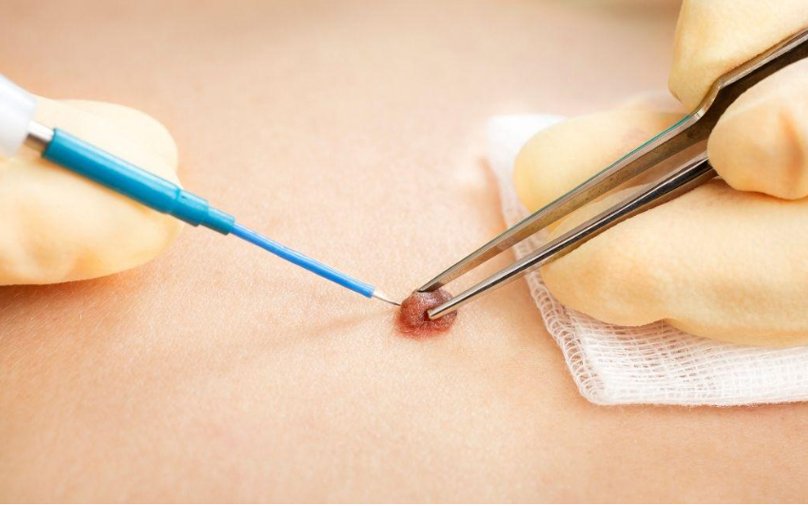
Wart removal is the process of eliminating warts, which are small, non-cancerous growths on the skin caused by the human papillomavirus (HPV). Warts can appear on various parts of the body, such as the hands, feet, face, and genital areas. There are several methods for removing warts, and the choice of method often depends on the type of wart, its location, and the individual’s preference.
- Electrocautery: Thus, A electric current is used to burn the wart off the skin.
- Laser Therapy: A focused laser beam vaporizes the wart tissue.
- Excision: The wart is surgically cut out by a healthcare provider. Since,This method may be used for large or stubborn warts.
Mole Removal
steps involve in the removal process
Consultation with a Healthcare Provider: The first step is to consult with a healthcare provider, typically a dermatologist, who will evaluate the wart or mole to determine whether removal is necessary and what method is most suitable.
Medical History and Examination: The healthcare provider will take your medical history and examine the mole to assess its characteristics, such as size, color, and whether there are any concerning features (e.g., irregular borders, changes in color or shape for moles).
Biopsy (if necessary): If there are concerns about a mole being cancerous (melanoma), the healthcare provider may perform a biopsy, which involves taking a small tissue sample for laboratory analysis.
Treatment Options: Base on the assessment, the healthcare provider will discuss the available treatment options with you. Common methods for wart or mole removal include:
Excision: The healthcare provider surgically removes the wart or mole using a scalpel, and stitches may be require.
Cryotherapy: Liquid nitrogen is apply to freeze and remove the wart.
Electrocautery: An electrical current is use to burn off the wart or mole.
Laser Therapy: A laser is use to vaporize the tissue.
Topical Medications: For certain warts, topical creams or ointments may be prescribe.
Local Anesthesia: Before the removal procedure, a local anesthetic may be administere to numb the area and minimize pain or discomfort.
Removal Procedure: The healthcare provider will perform the chosen removal method, ensuring the area is clean and sterile.