
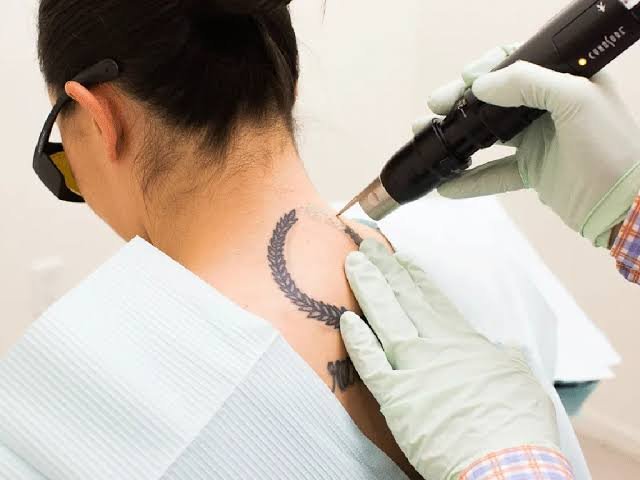
Tattoo Removal in Nagpur helps people who want to fade or remove unwanted tattoos. At Hair Transplant Center, treatment options can be discussed according to your tattoo’s size, colour, location, and skin type. Laser tattoo removal is a commonly used method that targets tattoo with controlled pulses of light. The body’s natural processes gradually clear away ink particles over time. Therefore, multiple sessions are usually needed to achieve visible fading. A dermatologist can assess your skin and recommend a suitable treatment plan based on your needs. Laser tattoo removal is a dermatological procedure that uses specific wavelengths of light
The body then gradually clears these particles through its natural processes. Moreover, the laser settings depend on the tattoo’s colour, depth, age, and the individual’s skin tone. A professional assessment helps determine which approach may be suitable. Complete removal is not always possible, and some tattoos may leave behind faint ink .
Tattoo Removal in Nagpur
Tattoo Removal in Nagpur helps people who want to fade or remove unwanted tattoos. At Hair Transplant Center, treatment options can be discussed according to your tattoo’s size, colour, location, and skin type. Laser tattoo removal is a commonly used method that targets tattoo ink with controlled pulses of light. The body gradually clears the ink particles through its natural processes. Therefore, multiple sessions are usually needed to achieve visible fading. A dermatologist can assess your skin and recommend a suitable treatment plan. Laser tattoo removal is a dermatological procedure that uses specific wavelengths of light to break tattoo ink into smaller particles. The body then gradually clears these particles through its natural processes. Moreover, laser settings depend on the tattoo’s colour, depth, age, and your skin tone. A professional assessment helps determine which approach may be suitable. Complete removal.
What Causes Tattoos to Be Difficult to Remove?
Tattoo ink sits within the skin, where the body’s immune system cannot easily clear all the pigment at once. Therefore, Tattoo Removal in Nagpur usually requires several laser sessions, depending on the tattoo and individual skin characteristics.
The following factors can affect the results:
Ink Colour: Black and dark blue inks often respond better to laser treatment than some lighter colours.
Tattoo Size: Larger tattoos may require more treatment time and sessions.
Ink Depth: Deeply placed pigment can be more challenging to remove.
Tattoo Age: Older tattoos may fade more easily, although this is not guaranteed.
Skin Type: A dermatologist must select suitable laser settings to reduce the risk of pigmentation changes.
Benefits of Laser Tattoo Removal
Tattoo Removal in Nagpur offers a nonsurgical option for people who want to reduce the appearance of unwanted tattoos. Additionally, treatment can be tailored to the tattoo’s characteristics, ink colour, and the patient’s skin type.
Potential benefits of laser tattoo removal include:
Gradual Tattoo Fading: Laser treatment can help reduce the visibility of unwanted tattoo ink over multiple sessions.
Treatment for Different Ink Colours: Laser options are available for many black and coloured tattoos, although results vary by colour.
Cover-Up Preparation: Treatment may lighten an existing tattoo before a new design is applied.
Nonsurgical Approach: Laser treatment does not require surgical removal of the skin.
How Does the Tattoo Removal Process Work?
The Tattoo Removal in Nagpur process involves several steps to help fade unwanted tattoo ink. Laser tattoo removal uses controlled pulses of light to break the ink into smaller particles, which the body gradually clears over time. Moreover, a dermatologist evaluates your skin type, tattoo colour, size, and ink depth before recommending a suitable treatment plan. The process usually begins with a consultation, followed by laser treatment and proper aftercare. Multiple sessions may be needed because tattoo ink fades gradually. Additionally, following the recommended healing instructions can help reduce the risk of irritation and pigmentation changes.
During Tattoo Removal in Nagpur, you may experience mild discomfort, redness, swelling, or temporary tenderness. The dermatologist may recommend appropriate cooling or numbing methods to improve comfort.
Benefits of Professional Tattoo Removal
Effective Tattoo Fading: Laser treatment can gradually reduce the visibility of many unwanted tattoos over multiple sessions.
Personalized Treatment Plan: The dermatologist selects suitable laser settings according to your tattoo’s colour, size, depth, and skin type.
Options for Different Ink Colours: Different laser wavelengths may target different pigments. However, some colours are more difficult to remove.
Skin Safety Assessment: Professional evaluation helps identify potential risks, including pigmentation changes and scarring.
Support for Tattoo Cover-Ups: Laser treatment may lighten an existing tattoo before you get a new design.
Controlled Treatment Process: Appropriate equipment, protective eyewear, and professional supervision help reduce avoidable risks.
Guidance on Aftercare: Clear instructions help you care for the treated area while your skin heals.
Which Types of Tattoos Can Be Removed?
Laser tattoo removal can help fade many types of unwanted tattoos, including professional tattoos, amateur tattoos, and certain cosmetic tattoos. However, the results depend on the ink colour, pigment depth, tattoo size, and your skin type. Therefore, a dermatologist should examine your tattoo before recommending a suitable treatment plan.
Black Ink Tattoos: Black tattoos often respond well to laser treatment because certain laser wavelengths target dark pigments effectively.
Coloured Tattoos: Red, blue, and green tattoos may require different laser wavelengths. Some colours are more difficult to remove than others.
Old and Faded Tattoos: Older tattoos may respond well to treatment, although age alone does not guarantee easier removal.
Professional Tattoos: Dense ink and deeply placed pigments may require more sessions to achieve significant fading.
Amateur Tattoos: These tattoos may respond differently because their ink depth and distribution can vary.
Can Laser Treatment Remove Coloured Tattoos?
Yes, laser treatment can help fade many coloured tattoos. However, the results depend on the ink colour, pigment depth, tattoo size, and type of laser used. Different colours absorb different wavelengths of light, so the dermatologist must select an appropriate laser for each tattoo.
How Different Tattoo Colours Respond to Laser Treatment
Black and Dark Blue Tattoos: These colours often respond well to laser treatment because they absorb certain laser wavelengths effectively.
Red and Orange Tattoos: Specific laser wavelengths can target these pigments, although results vary.
Green and Turquoise Tattoos: These colours can be more challenging to remove and may require specialized laser technology.
Yellow and White Tattoos: These pigments are often difficult to remove completely. Some light-coloured inks may also darken after laser exposure.
How Many Sessions Are Needed for Coloured Tattoo Removal?
Coloured tattoo removal usually requires multiple laser sessions to achieve noticeable fading. The exact number depends on the tattoo’s size, ink colours, pigment depth, age, and your skin’s response to treatment. Some tattoos may fade after a few sessions, while others need many more treatments.
Moreover, different ink colours absorb different laser wavelengths. Therefore, multicoloured tattoos may require specialized laser settings to target each pigment effectively. Black and dark blue inks often respond well to suitable lasers, whereas green, yellow, and white pigments can be more challenging to remove.
The time between sessions is also important. Dermatologists typically schedule treatments several weeks apart to allow the skin to heal and the body to clear fragmented ink particles.
How Many Sessions Are Needed to Remove a Tattoo?
The number of sessions required for tattoo removal depends on the tattoo’s size, colour, ink depth, age, and your skin type. Laser tattoo removal gradually breaks down the ink particles, allowing the body to clear them over time. Therefore, most tattoos require multiple sessions to achieve noticeable fading.
Several factors influence the number of treatments needed:
Tattoo Size: Larger tattoos may require more treatment time and sessions than smaller designs.
Ink Colour: Black and dark blue inks often respond well to suitable lasers, while some green, yellow, and white pigments can be more difficult to remove.
Ink Depth and Density: Deeply placed or densely packed ink may require additional treatments.
Tattoo Age: Older tattoos may have faded naturally, although this does not guarantee faster removal.
Benefits of Professional Treatment
Effective Tattoo Fading: Laser treatment can gradually reduce the visibility of many unwanted tattoos over multiple sessions.
Personalized Treatment Plan: The dermatologist selects suitable laser settings according to your tattoo’s colour, size, depth, and skin type.
Options for Different Ink Colours: Different laser wavelengths may target different pigments. However, some colours are more difficult to remove.
Skin Safety Assessment: Professional evaluation helps identify potential risks, including pigmentation changes and scarring.
Support for Tattoo Cover-Ups: Laser treatment may lighten an existing tattoo before you get a new design.
Controlled Treatment Process: Appropriate equipment, protective eyewear, and professional supervision help reduce avoidable risks.
Guidance on Aftercare: Clear instructions help you care for the treated area while your skin heals.
Does Tattoo Removal Treatment Hurt?
What Factors Affect Tattoo Removal Results?
Tattoo removal results depend on several factors, including the tattoo’s size, ink colour, depth, age, and your skin type. Laser tattoo removal breaks ink pigments into smaller particles, which the body gradually clears over time. Therefore, understanding these factors helps set realistic expectations before treatment.
Ink Colour and Depth: Black and dark blue tattoos often respond well to suitable laser wavelengths. However, green, yellow, and some lighter pigments can be more difficult to remove. Deeply placed or dense ink may also require additional sessions. Skin Type and Tattoo Location: Skin tone influences laser selection because darker skin may have a higher risk of pigmentation changes. Moreover, tattoos on different body areas may fade at different rates. Laser Technology and Treatment Sessions: Different laser wavelengths target different pigments. Multiple sessions, spaced several weeks apart.
How Much Does Tattoo Removal Cost in Nagpur?
The cost of tattoo removal in Nagpur depends on several factors, including the tattoo’s size, ink colour, depth, location, and the number of laser sessions required. Small tattoos generally require less treatment time, whereas larger or multicoloured tattoos may need more sessions. Therefore, a dermatologist should assess your tattoo before providing an accurate cost estimate.
Tattoo Size: Small designs may cost less per session than larger tattoos.
Ink Colour: Some coloured tattoos require specialized laser wavelengths.
Ink Depth: Deep or densely packed pigments may need additional sessions.
Number of Sessions: The total cost depends on how many treatments you need.
FAQ-Tattoo Removal In Nagpur
1. How does laser tattoo removal work?
Laser tattoo removal uses focused pulses of light to break tattoo ink into smaller particles beneath the skin. The body gradually clears these particles over time. Moreover, multiple sessions are usually required to achieve noticeable fading.
2. How many sessions are needed for tattoo removal?
The number of sessions depends on the tattoo’s size, colour, age, ink depth, and your skin type. Most tattoos require multiple treatments spaced several weeks apart. A dermatologist can estimate the likely number of sessions after examining your tattoo.
3. Can laser treatment completely remove a tattoo?
Laser treatment can significantly fade many tattoos, but complete removal is not always possible. Some tattoos may leave faint ink, scars, or pigmentation changes. Results depend on the ink, tattoo characteristics, and individual skin response.
Book Your Tattoo Removal Consultation in Nagpur
Want to fade or remove an unwanted tattoo? AtHair Transplant Center, you can explore suitable tattoo removal options based on your skin type and tattoo characteristics. A professional consultation helps you understand the treatment process, expected results, possible side effects, and estimated cost. Book your consultation today to take the next step towards your tattoo removal goals with personalized guidance.